
Tree Trimming Cost and How Often Cape Cod Trees Need It
· By Ronaldo Silva
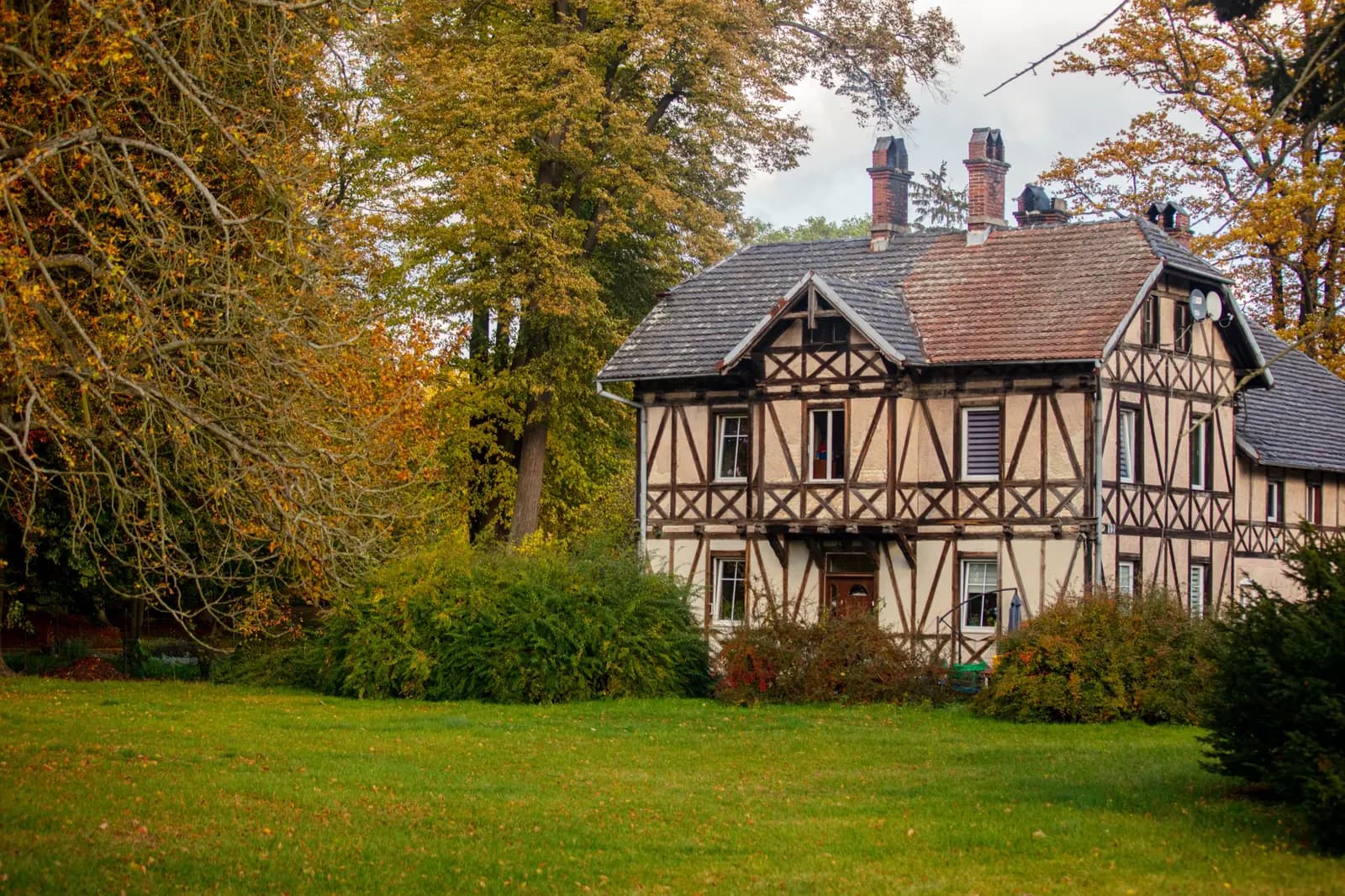
Regular trimming keeps trees healthy, keeps limbs off your roof, and is the cheapest insurance you can buy before storm season. On Cape Cod, where strong coastal wind and the occasional hurricane remnant test every tree, it matters even more.
This guide covers what trimming typically costs in 2026, what drives the price, and how often the trees common on the Cape actually need attention.
Typical tree trimming costs in 2026
LawnStarter's 2026 pricing data puts professional tree trimming at roughly $430 to $640 per tree on average, with small trees costing as little as about $80 and large trees over 60 feet reaching around $1,800 or more.
By size, many cost guides break it down roughly like this: small trees up to about 25 feet often run a few hundred dollars, medium trees in the 25 to 60 foot range commonly cost several hundred to about $1,500, and tall trees can exceed that. These are national ranges, so use them for budgeting and expect local quotes to reflect access and the specific work.
What drives the price
Height and canopy spread decide how much cutting and climbing is needed. Access is next: a tree over a roof, pool, or power line has to be pruned carefully with limbs lowered by rope, which takes longer than letting branches drop onto open lawn.
The type of work matters too. Light cleanup of dead wood costs less than structural pruning, crown raising for clearance, or reducing a crown that has grown over the house. Doing several trees in one visit usually lowers the per-tree price, and hauling away the brush or chipping it on site may be priced separately.
How often Cape Cod trees need trimming
Most mature shade trees do well with a check and light pruning every three to five years. Younger trees benefit from more frequent structural pruning, roughly every two to three years, so they grow with a strong shape and fewer problems later.
Pitch pines, the signature tree of the Cape, tend to drop lower branches and collect dead wood. Clearing that dead wood and keeping limbs off roofs every few years is usually enough. Oaks grow heavy horizontal limbs that can reach over houses and driveways, and they benefit from periodic thinning and clearance pruning so wind can pass through the crown.
Ornamental trees such as Japanese maples, dogwoods, and flowering cherries are more about shape and health. They often get light pruning every year or two.
Best time of year to trim
For most trees, late fall through late winter, when trees are dormant, is the best time for major pruning. Without leaves it is easier to see the structure, cuts heal quickly once growth starts in spring, and there is less stress on the tree.
Oaks deserve special care. Oak wilt, a fungal disease already found in nearby northeastern states such as New York, spreads through sap beetles that are most active in spring and early summer. Common guidance is to avoid pruning oaks from roughly April through July, so dormant season is the safer window. Dead or hazardous limbs can and should be removed any time.
Spring-flowering trees like dogwood and cherry are usually trimmed right after they bloom, so you do not cut off next year's flowers.
DIY pruning vs hiring a crew
Small ornamental trees and branches you can reach from the ground with a hand saw or pole pruner are reasonable DIY projects. Make clean cuts just outside the branch collar, the slightly swollen ring where a limb meets the trunk, and avoid leaving stubs or cutting flush against the trunk.
Anything that requires a ladder and a chainsaw, limbs over the roof, branches near wires, or large oak limbs is a job for a professional crew with climbing gear and insurance. Falls from ladders and unexpected limb movement are among the most common causes of serious yard injuries.
Avoid topping, which means cutting the main leaders back to stubs to shorten a tree. It creates weak, fast-growing shoots that break easily in the next storm and often leads to decay. Proper crown reduction cuts back to a healthy side branch instead.
Signs a tree needs trimming now
Dead branches in the crown, limbs touching the roof or rubbing against siding, branches hanging over the driveway or walkway, a lopsided crown after a storm, or limbs growing toward wires are all reasons to schedule a visit sooner rather than later.
Before hurricane season and winter storms are the two moments most Cape homeowners book trimming. Best Cape Cod Landscaping is insured, provides free estimates with no visit fee, and offers same-day service when the schedule allows for urgent limbs.
Frequently asked questions
- How much does it cost to trim a tree?
- Most professional tree trimming typically costs about $430 to $640 per tree in 2026, according to LawnStarter, with small trees as low as about $80 and very large trees around $1,800 or more. Access and the type of pruning matter as much as size.
- How often should trees be trimmed on Cape Cod?
- Most mature trees do well with a check and light pruning every three to five years, while young trees benefit from structural pruning every two to three years. Trees over the house may need clearance work more often.
- When is the best time to trim oak trees in Massachusetts?
- Dormant season, late fall through winter, is generally best. Many experts advise avoiding oak pruning from about April through July because fresh cuts can attract the beetles that spread oak wilt.
- Is trimming cheaper than removing a tree?
- Usually, yes. Trimming one tree often costs a fraction of removal, and regular pruning can prevent the storm damage that turns a healthy tree into an emergency removal.
- Can trimming protect my house in a storm?
- Thinning dense crowns and removing dead or overhanging limbs reduces the chance of branches breaking onto a roof in high wind. It does not make any tree storm-proof, but it lowers the risk noticeably.
Related services
Found this helpful? Make us a preferred source on Google.
Ready for an exact price?
Get a free, no-pressure in-home estimate. Real numbers for your home, not a phone guess.