
How Much Does Tree Removal Cost on Cape Cod? (2026 Guide)
· By Ronaldo Silva
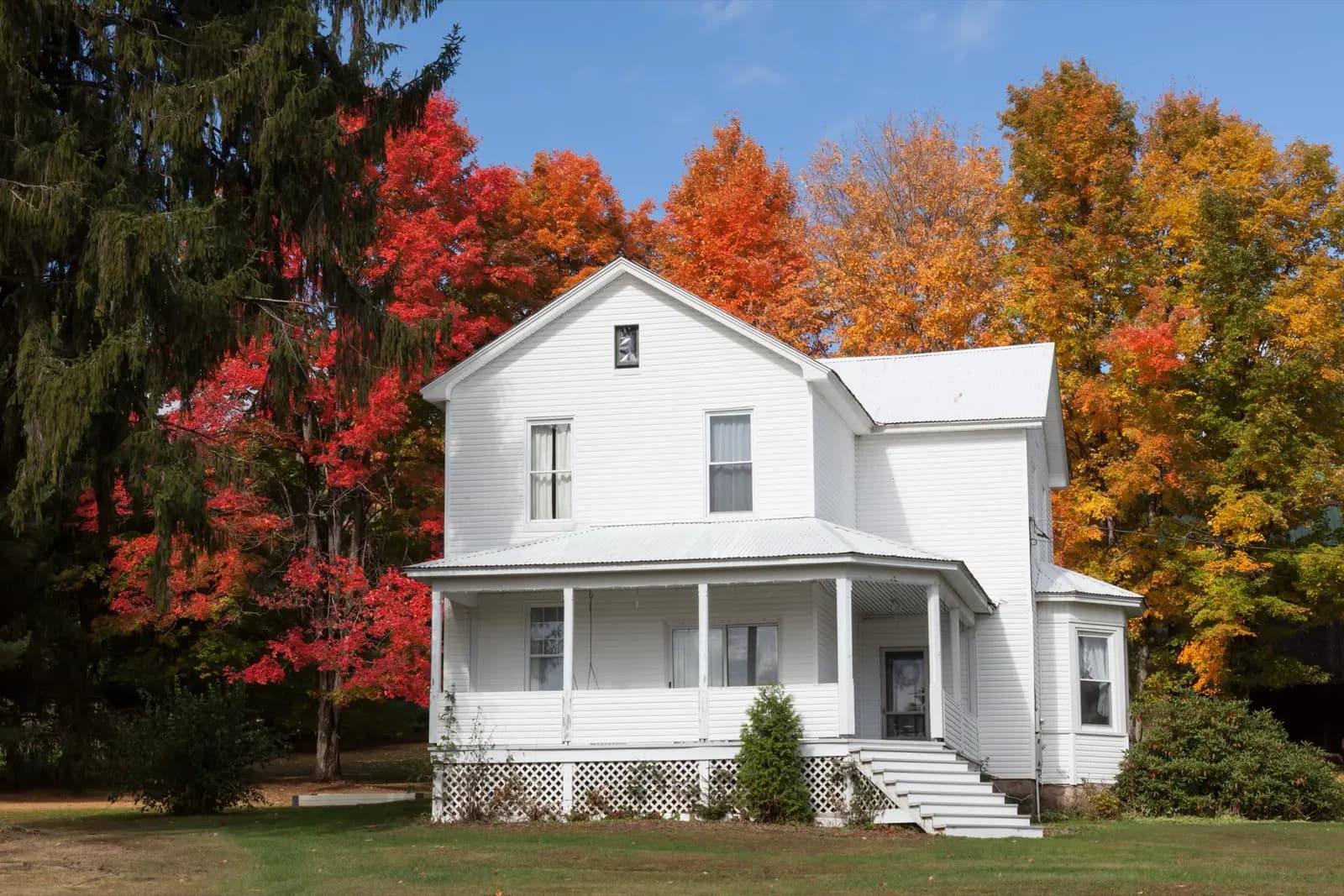
A leaning pitch pine over the roof, a dead oak by the driveway, a tree the last nor'easter cracked in half: sooner or later most Cape Cod homeowners need a tree taken down. The first question is always the price, and the honest answer is that it depends on the tree, where it stands, and what has to happen to the wood once it is on the ground.
This guide lays out the price ranges most homeowners see in 2026, the factors that push a Cape Cod job higher or lower, and how to compare quotes so you are paying for the same work.
Typical tree removal price ranges in 2026
National cost guides put the typical residential tree removal somewhere between roughly $385 and $1,070, with an average near $850, according to LawnStarter's 2026 pricing data. Smaller trees under about 30 feet often land in the few hundred dollar range, mid-size trees between 30 and 60 feet commonly run from the mid hundreds to around $900, and very tall or difficult trees can climb past $2,000.
Treat those numbers as a starting point, not a quote. Labor and disposal costs in southeastern Massachusetts tend to sit toward the middle or upper part of national ranges, and a single tricky tree can cost more than three easy ones in an open backyard.
Why Cape Cod trees can cost more (or less) to remove
Most of the trees we see coming down on the Cape are pitch pines and oaks. Pitch pines grow tall and narrow in sandy soil with fairly shallow roots, so wind and saturated ground can tip them toward a house. Oaks are heavy, dense wood with wide crowns that often reach over roofs, decks, and wires. Both are routine to remove in open space and much slower when they lean over something valuable.
Access matters as much as size. A tree in a wide front yard can be felled in sections from the ground. A tree squeezed between a cottage, a fence, and a septic area may need to be climbed and lowered piece by piece with ropes, which takes more crew time and drives the price up.
Storm damage is its own category. A tree that is split, hung up in another tree, or resting on a structure carries real risk, and the careful rigging it needs is reflected in the cost.
The main factors that set your price
Height and trunk diameter set the baseline, because they decide how much wood has to be cut, lowered, and hauled. After that, look at proximity to the house, power lines, and hardscape, since anything that cannot be dropped freely adds time.
Tree condition matters too. Dead or rotten trees can be brittle and unpredictable, which can make a crew climb less and rig more. Ground conditions also count: soft sand or a lawn you want protected may mean extra care moving equipment.
Finally, cleanup choices change the bottom line. Hauling away all wood and brush, leaving logs cut to firewood length, and grinding the stump are often priced separately. National guides list stump grinding at roughly $100 to $900 depending on diameter, so ask whether it is included.
Permits and protected areas to check first
On private property most Cape Cod towns do not require a permit to remove a single tree, but there are real exceptions. Trees within the public right of way are generally treated as public shade trees under Massachusetts law and fall under the town tree warden. Work near wetlands, ponds, marshes, or coastal banks may need sign-off from the local Conservation Commission, often within 100 feet of the resource area.
If your lot is near water, which is common here, call the town before scheduling. It is far easier to confirm the rules first than to deal with an enforcement order later.
How to compare tree removal quotes
A useful quote spells out exactly which trees are coming down, whether stump grinding is included, what happens to the wood and brush, and how the crew will protect your lawn, beds, and hardscape. If two quotes look far apart, the difference is usually hidden in one of those lines.
Ask whether the company is insured, because a falling limb on a neighbor's roof is not a small problem. Best Cape Cod Landscaping is insured, gives free estimates with no visit fee, serves every town on the Cape, and offers same-day service when the schedule allows for urgent jobs.
When removal is the right call
Not every worrying tree has to go. A tree with one dead limb may only need trimming. Removal makes more sense when the trunk is cracked or hollow, the tree is leaning more than it used to, roots are lifting on one side, large sections of the crown are dead, or the tree is simply in the wrong place for the house.
If you are unsure, have someone look at it in person. A short walk around the tree usually answers the question and gives you a price you can plan around.
Frequently asked questions
- How much does it cost to remove a tree on Cape Cod?
- Most residential tree removals typically fall in the range of a few hundred dollars to about $1,000, based on 2026 national cost guides, with large or hard-to-reach trees costing $2,000 or more. Height, access, proximity to the house, and cleanup choices decide where your job lands.
- Is stump grinding included in tree removal?
- Not always. Many companies price stump grinding separately, and national guides list it at roughly $100 to $900 depending on stump size. Ask for it as its own line on the quote so you can compare fairly.
- Do I need a permit to remove a tree on my Cape Cod property?
- Usually not for a tree fully on private land, but trees in the public right of way fall under the town tree warden, and work near wetlands, ponds, or coastal banks may need Conservation Commission approval. Check with your town before scheduling if you are near water.
- Are pine trees cheaper to remove than oaks?
- Not necessarily. Pitch pines are lighter wood but often tall and leaning, while oaks are heavier with wide crowns. The location of the tree relative to the house and wires usually matters more than the species.
- Can you remove a storm-damaged tree the same day?
- Often, yes. Best Cape Cod Landscaping offers same-day service when the schedule allows, which is most useful after a storm leaves a tree hung up or resting on a structure.
Related services
Found this helpful? Make us a preferred source on Google.
Ready for an exact price?
Get a free, no-pressure in-home estimate. Real numbers for your home, not a phone guess.