
Landscaping a Mashpee Home: Sandy Soil, Pines and Seasonal Upkeep
· By Ronaldo Silva
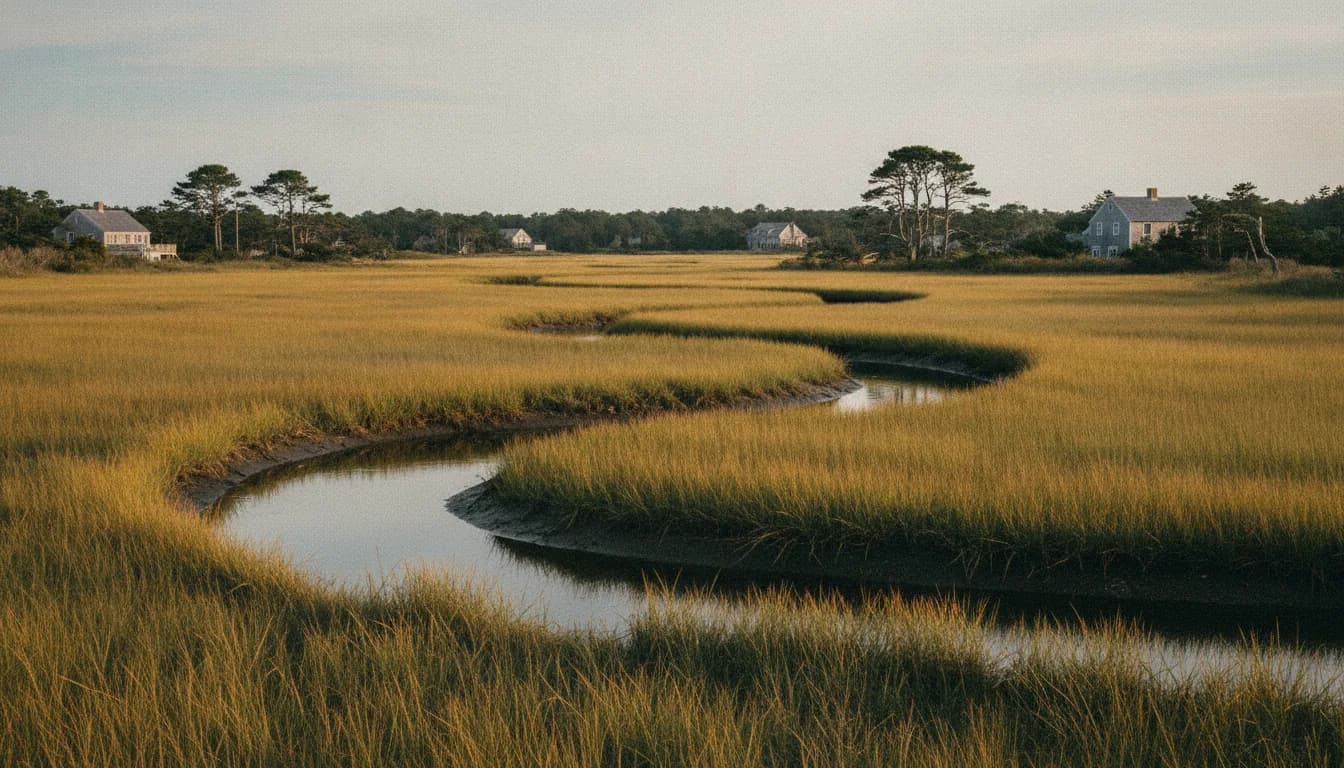
Most of Mashpee sits on a glacial outwash plain, a broad sheet of sand and gravel left behind by meltwater at the end of the last ice age. That history explains almost everything about landscaping in Mashpee: water drains through the ground in hours, the soil holds very little in the way of nutrients, and the native woods are dominated by pitch pine and oak that thrive where other trees struggle.
None of that makes a good looking yard impossible. It just means the playbook is different from what works in heavier inland soils. The homeowners with the best lawns and beds in town are not the ones who water and feed the most. They are the ones who build organic matter, pick plants that like sand, and keep up with the needles, limbs and leaves that the surrounding woods drop all year.
Below: how to read your lot, water and mulch for sand, pick plants that hold up, live with the pines, and follow a simple seasonal calendar.
Understanding the Sand Under Your Yard
The upland woods around town, including much of the land protected in the Mashpee National Wildlife Refuge, grow on deep, coarse sand that is naturally acidic and low in nutrients. Ecologists describe this kind of ground as droughty, which is a fair word for it. Rain soaks in fast and keeps going, so roots near the surface dry out quickly once a hot spell arrives.
A quick test tells you a lot. Dig a hole about a foot deep in a lawn area and a bed area, fill each with water, and watch. In many Mashpee yards the water is gone in well under an hour. If you find a darker, crumbly layer at the top, that is the organic matter doing its job. If it is pale sand from the surface down, your lawn and plants are living almost entirely on what you give them.
The fix is slow and steady rather than dramatic. Topdressing lawns with compost after aeration, working compost into new beds, and leaving grass clippings on the lawn all add the organic matter that helps sand hold water and nutrients.
Watering and Mulch for Fast Draining Ground
On sandy soil, how you water matters more than how much. Short daily sprinkles keep roots shallow and weak. Deeper, less frequent watering pushes roots down where the ground stays cooler, which is what carries a lawn through a dry stretch in July. Early morning is the best time, when less water is lost to wind and sun.
Mulch is the other half of the equation. A layer of about two to three inches over beds slows evaporation, keeps soil temperatures steady and breaks down into the organic matter sand is missing. Keep it a few inches away from trunks and stems so bark stays dry. Pine needles from your own trees can work as mulch around acid loving shrubs, which is one of the few times the woods do part of the job for you.
Plant Choices That Like Mashpee Conditions
The easiest path is to lean toward plants that already belong in sandy, acidic coastal ground. Native shrubs such as bayberry, lowbush blueberry and beach plum handle poor soil and dry spells well, and native grasses like little bluestem and switchgrass add texture without asking for much water or fertilizer. Near the water in Popponesset or New Seabury, choose plants that tolerate salt spray and steady wind.
On shaded pond lots under tall pine and oak, a full sun lawn is a constant fight. Many owners get a better result by shrinking the lawn to the sunniest patch and turning the rest into mulched beds, shade tolerant groundcovers or a simple natural area. Less turf also means less feeding, which suits a town that limits fertilizer to protect its ponds and bays.
Living With Pitch Pine and Oak
Pitch pine and oak give Mashpee its character, but they also shape your workload. Pines shed needles through the year and drop cones and small branches after every windy day, while oaks hold many of their leaves late into fall before releasing them. On a wooded lot that adds up to several rounds of cleanup, not one.
Needles and leaves left on the lawn over winter smother grass and invite mold, so a final fall cleanup after the oaks finish dropping is important. Gutters, roof valleys and the areas around decks and air conditioning units also collect debris quickly under pine canopy.
Trees deserve an annual look as well. Pines rooted in loose sand can lean over time, and dead limbs over a roof or driveway are the first things to come down in a nor'easter or a late summer tropical storm. Watch for leaning trunks, cracks where large limbs meet the trunk, and branches with no needles. Anything large or close to the house is a job for a tree crew with proper equipment, not a ladder and a handsaw.
A Seasonal Upkeep Calendar for Mashpee Yards
Spring starts with a cleanup of needles, winter debris and matted leaves, then edging and fresh mulch in beds. Under the Mashpee Nitrogen Control Bylaw, fertilizer cannot go down until April 10, so plan the first feeding for mid to late April once grass is actively growing. Late spring is a good time to plant shrubs so roots establish before summer heat.
Summer is about mowing high and watering smart. Leaving grass around three inches tall shades the soil and helps it hold moisture. Keep an eye on sunny lawns near the shore in July and August, when sand dries fastest. Early fall, from September into October, is the best window for core aeration and overseeding, and the last fertilizer application has to be finished on or before October 30.
November is cleanup season. Once oaks and pines have dropped, clear the lawn and beds, cut back perennials, and check trees before winter storms. Seasonal homeowners often schedule this as a full close-down visit so the property sits clean and safe until spring.
DIY or Call a Pro?
Plenty of Mashpee yard work is reasonable to handle yourself: hand watering, mulching small beds, raking a modest lawn, and planting a few shrubs. The jobs that usually make sense to hand off are the ones that need equipment, time or care around rules, such as aeration and overseeding a large lawn, clearing a heavily wooded lot, removing or pruning big trees, and building patios or retaining walls on sloped pond lots.
Work near the water deserves extra caution. Projects close to ponds, streams or the shore can fall under the Mashpee Conservation Commission, so check before you clear vegetation or regrade near a wetland. A pro who works in town regularly will know when that review applies.
How We Help Mashpee Homeowners
Best Cape Cod Landscaping is based in Mashpee, so local jobs are close to home for our crew, and same-day service is often possible when the schedule allows. We handle fall cleanup, tree service, hardscaping and lawn care, which lets one insured company cover a property from the spring cleanup to the November close-down.
Estimates are free and there is no visit fee. If something on a visit is not right, we come back and redo it at no cost. If your yard is fighting sand, shade or a pile of pine needles, call (774) 552-9202 or request a free estimate and we will walk the property with you.
Frequently asked questions
- What type of soil do most Mashpee yards have?
- Most of Mashpee sits on a glacial outwash plain, so yards typically have deep, coarse sand that drains quickly, runs acidic and holds few nutrients. Adding compost and keeping grass clippings on the lawn helps it hold water and nutrients over time.
- When can I fertilize my lawn in Mashpee, MA?
- Under the Mashpee Nitrogen Control Bylaw, fertilizer can be applied from April 10, and the last fall application must be done on or before October 30. Nothing can be applied between those dates in winter.
- How often should I water a lawn on sandy Mashpee soil?
- Water deeply and less often rather than a little every day. Deep, early morning watering a couple of times a week during dry spells encourages deeper roots, which helps a lawn on fast draining sand get through summer heat.
- What plants grow well in Mashpee's sandy soil?
- Plants native to sandy, acidic coastal ground usually do best, including bayberry, lowbush blueberry, beach plum, little bluestem and switchgrass. Near the shore, choose plants that tolerate salt spray and wind.
- How many times a year should a wooded Mashpee lot be cleaned up?
- Most wooded lots need at least a spring cleanup and a final fall cleanup after the oaks drop their leaves, and properties under heavy pine canopy often benefit from an extra pass in between to clear needles, cones and fallen branches.
Related services
Found this helpful? Make us a preferred source on Google.
Ready for an exact price?
Get a free, no-pressure in-home estimate. Real numbers for your home, not a phone guess.