
Fall Cleanup Checklist: What a Cape Cod Yard Needs Before Winter
· By Ronaldo Silva
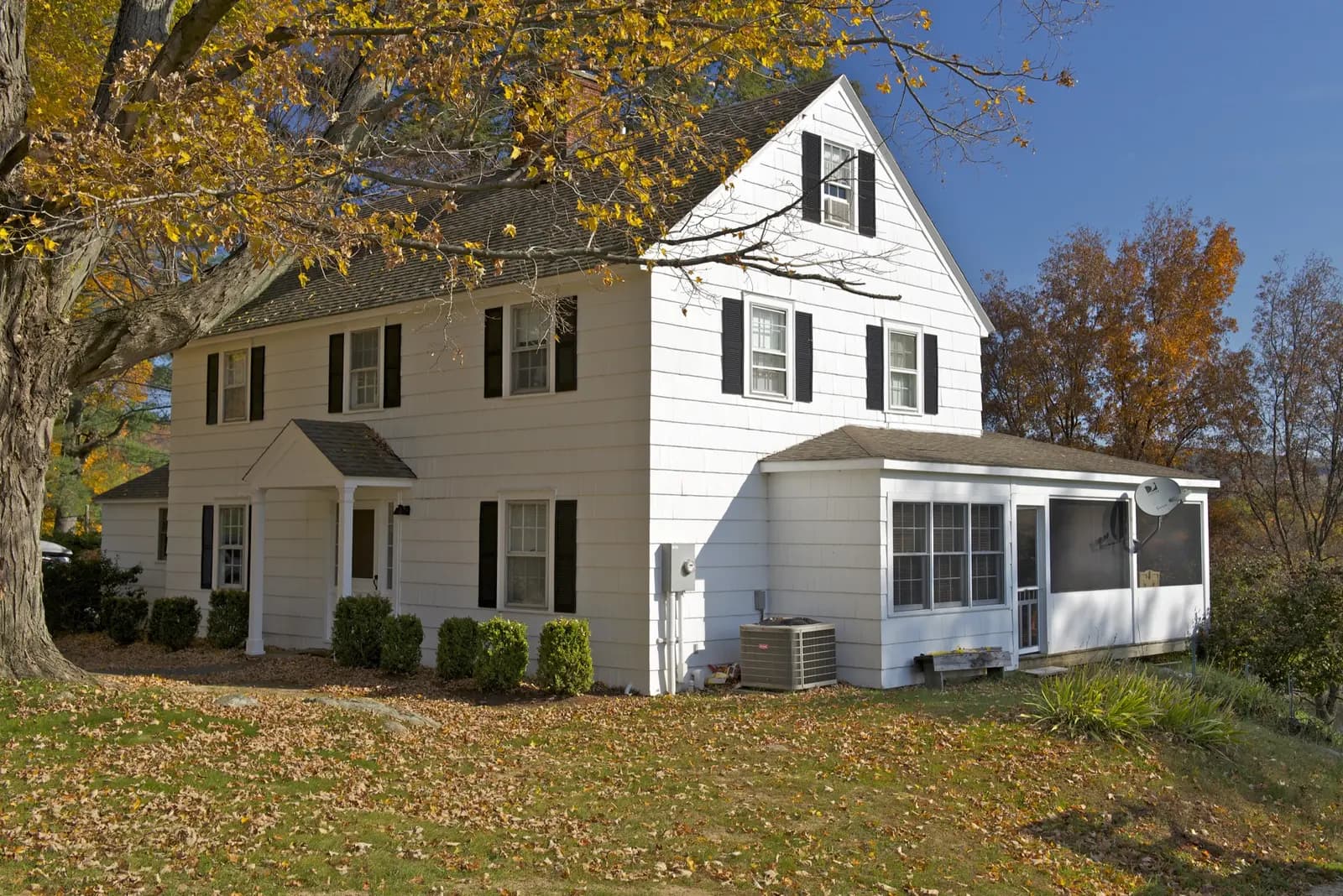
Fall on Cape Cod moves fast. Oaks and maples drop their leaves over a few weeks, nor'easters start rolling through, and before long the ground is frozen. What you do in October and November decides how your lawn and beds look in April.
Use this checklist to cover everything a Cape yard needs before winter, in a sensible order. At the end you will find timing tips, typical costs and when it makes sense to hand the job off.
When to do a fall cleanup on Cape Cod
Most Cape yards are best served by two passes. The first, in mid to late October, clears the early leaf drop and gets the lawn ready for its final growth. The second, from mid November into early December after most oaks have let go, does the full cleanup and puts beds to bed.
Oaks are the reason one visit often is not enough. Many Cape neighborhoods are full of oak, and oaks hold their leaves late, sometimes dropping a large share in November. If you only clean once in October, you may be looking at a fresh layer by Thanksgiving.
Checklist part 1: leaves and debris
Remove leaves from the lawn regularly. A thick mat of wet leaves blocks light and air, and it can lead to snow mold and dead patches under winter snow. A light layer can be mulched into the lawn with a mower, but heavy oak cover should come off.
Clear leaves out of beds, especially around perennials prone to rot, and pull them away from foundations, decks and steps. Leaf litter against the house holds moisture and gives ticks and rodents shelter, which is a real concern on the Cape.
Clean gutters after the main leaf drop. Clogged gutters overflow during fall storms and can create ice dams in winter.
Plan disposal. Massachusetts bans leaves and yard waste from landfills and trash, so they need to be composted or taken to a town yard waste drop off. Most Cape towns accept leaves and brush at the transfer station for residents with a permit, but rules and fees vary by town.
Checklist part 2: lawn care before winter
Keep mowing until the grass stops growing, then make the last cut slightly lower than your summer height. Long grass flattened under snow is more prone to disease.
Fall is the best time of year to aerate and overseed in Massachusetts. UMass Extension points to late August through late September as the ideal seeding window, though light overseeding can continue into October with diminishing returns, especially in the milder coastal climate of the Cape.
Check your town's fertilizer rules before any late feeding. Falmouth, for example, prohibits outdoor fertilizer application from December 1 through March 31, and Massachusetts regulates lawn fertilizer statewide.
Checklist part 3: beds, shrubs and perennials
Cut back perennials that tend to rot or harbor disease, like hostas and peonies. Leave sturdy seed heads such as coneflower and grasses if you like winter interest and want to feed birds.
Go easy on hydrangeas. The bigleaf hydrangeas found all over the Cape bloom on old wood, which means next summer's flowers are already set on this year's stems. Cutting them back in fall can remove the blooms. Remove only dead wood and spent flower heads if you want to tidy them up.
Edge the beds and add a light top up of mulch after the ground cools. Mulch insulates roots from freeze and thaw cycles and keeps beds looking finished all winter.
Plant now if you have shrubs or trees on your list. Warm soil and cool air make fall an excellent planting time on the Cape. Water new plantings deeply until the ground freezes.
Checklist part 4: storm and winter prep
Walk the property and look up. Dead, cracked or overhanging branches are what come down in nor'easters and winter wind. Have them removed before storm season, especially over the roof, driveway and power lines.
Protect plants exposed to wind and salt. Burlap screens on the windward side help broadleaf evergreens near the water. Avoid wrapping plants tightly in plastic.
Shut off and drain outdoor faucets and irrigation lines before the first hard freeze. Store hoses, put away furniture and mark the edges of walkways and beds if you use a plow service, so the plow does not tear up the lawn.
What a fall cleanup typically costs
Prices vary with lot size, number of trees and how many visits you need. LawnStarter reports professional leaf removal for a quarter acre yard at roughly $160 to $290 per visit, and $410 to $925 for a full acre. Broader one-time yard cleanups often fall around $216 to $462 nationally. Heavy oak cover, steep lots and add-ons like gutter cleaning, mulch or pruning raise the total.
The most accurate way to get your number is an on-site estimate. Best Cape Cod Landscaping does fall cleanups in every town on Cape Cod, from Bourne and Sandwich out to Chatham and Orleans. Estimates are free with no visit fee, same-day service is possible when the schedule allows, the crew is insured, and if something is not right, we come back and redo it at no cost.
Frequently asked questions
- When should I do a fall cleanup on Cape Cod?
- Most yards do best with two visits: one in mid to late October for the early leaf drop and lawn prep, and a final cleanup from mid November into early December after the oaks have dropped most of their leaves.
- What is included in a fall cleanup?
- A typical fall cleanup covers leaf removal from lawn and beds, cutting back perennials, clearing debris, edging, a final mow and hauling everything away. Common add-ons are gutter cleaning, mulch, aeration and overseeding, and pruning of dead branches.
- Is it bad to leave leaves on the lawn over winter?
- A thin layer that you shred with a mower is fine. A thick mat, especially of oak leaves, blocks light and air and can lead to snow mold and dead patches in spring.
- How much does a fall cleanup cost?
- National cost guides put leaf removal for a quarter acre around $160 to $290 per visit and one-time yard cleanups around $216 to $462. Your price depends on lot size, tree cover and the number of visits, so an on-site estimate gives the real figure.
- Should I cut back my hydrangeas in the fall?
- Usually no. Bigleaf hydrangeas, the most common type on Cape Cod, bloom on old wood, so cutting them back in fall removes next summer's flowers. Only remove dead wood and spent blooms.
- Where do leaves go after a cleanup?
- Massachusetts does not allow leaves and yard waste in the trash, so they are composted or taken to a yard waste site. Most Cape towns accept leaves at the transfer station for residents with a permit. A cleanup crew hauls them away for you.
Related services
Found this helpful? Make us a preferred source on Google.
Ready for an exact price?
Get a free, no-pressure in-home estimate. Real numbers for your home, not a phone guess.