
Coastal Landscaping in Chatham: Protecting Yards From Salt and Storms
· By Ronaldo Silva
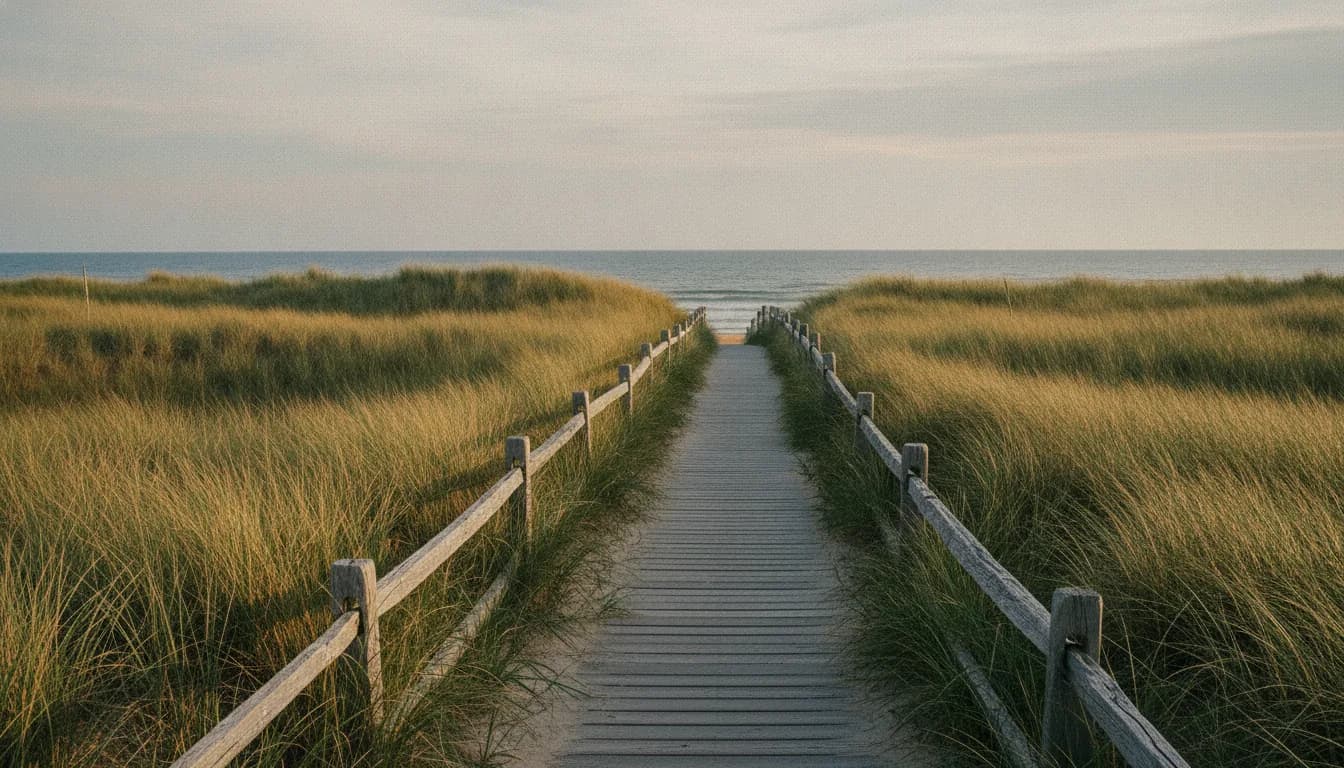
Few towns on Cape Cod ask more of a yard than Chatham. The town sits where the Cape bends north, with Nantucket Sound, the Atlantic and Pleasant Bay all within a short drive of almost any address. That means wind that carries salt inland, sandy soil that drains fast, and storms that can reshape a shoreline in a single winter.
Chatham residents have seen that firsthand. In January 1987 a nor'easter broke through the barrier beach east of Chatham Light, and the new inlet widened over the following years, exposing stretches of the mainland shore to open ocean. Homes along that coast lost ground, and the event is still a reference point whenever people talk about building or planting near the water here.
This guide is for homeowners who want a yard that holds up to those conditions. It covers which plants handle salt, how to prepare for storms, what to know before touching a coastal bank, how the different parts of town differ, and a simple calendar you can follow through the year.
Why Salt Is the First Thing to Plan Around
Salt reaches a Chatham yard two ways. Airborne spray lands on leaves and needles during windy days, and storm overwash or flooding can push salty water straight into the soil. Spray burn usually shows up as browning on the side of a hedge or tree that faces the water, while soil salt tends to stunt growth across a whole bed and is slower to recover.
A quick test for your own lot: walk the property after a strong easterly or southerly blow and look for leaf scorch on the windward faces of shrubs. Those are the spots where tough, salt tolerant plants belong, and where fussier ornamentals will keep struggling no matter how much you water or feed them.
Rinsing foliage with fresh water after a big spray event helps sensitive shrubs, and a layer of organic mulch keeps sandy soil from drying out and concentrating salts near the roots.
Salt Tolerant Plants That Work in Chatham
Native coastal plants are the backbone of a yard that lasts here. Northern bayberry, beach plum, inkberry and rugosa rose all handle spray and lean soil, and they give the natural, weathered look that suits shingled houses. American beach grass, switchgrass and little bluestem hold sand in place and move nicely in the wind.
For a more traditional garden, hydrangeas, Russian sage, sea thrift and daylilies do well in spots with some shelter from the direct wind. A practical pattern is to plant the toughest material on the water side as a living windbreak, then tuck the showier perennials and hydrangeas into the lee of the house or behind that buffer.
Lawns are the hardest part of a coastal yard to keep green. Fine fescues tolerate sandy, low fertility soil better than many turf mixes, and on very exposed lots it often makes sense to shrink the lawn and replace part of it with native groundcover or a planted meadow.
Storm Prep: Trees, Debris and Drainage
Nor'easters and summer thunderstorms both bring down limbs in Chatham, and the pitch pines and oaks that cover much of the inland part of town are prone to breakage when they are crowded or carrying deadwood. Late summer and early fall are the right time to have trees near the house, driveway and power lines looked at, before the heavy weather arrives.
Walk your lot with a short checklist: dead or hanging branches, trees leaning toward a structure, cracks where large limbs meet the trunk, and roots heaving in soft ground. Anything that would hit the roof or block the driveway if it failed belongs at the top of the list.
Drainage matters too. Patios and walkways that shed water toward the house, or downspouts that dump onto bare sand, can carve channels during a heavy storm. Gravel strips, planted swales and permeable pavers help water soak in where it falls instead of running off toward a bank or the street.
Coastal Banks and Wetland Rules Before You Dig
Under the Massachusetts Wetlands Protection Act, coastal banks, beaches and dunes are protected resource areas, and Chatham adds its own local bylaw with buffer zones that reach well back from the water. Clearing vegetation, cutting trees, regrading, or building a wall or patio near those areas usually needs review by the Chatham Conservation Commission first.
The reason is practical as well as legal. The roots of bank vegetation are what hold sand together, and removing them to open a view or tidy a slope can speed up erosion. Bare, mowed slopes above the water tend to slump during storms, while banks planted with dense native shrubs and grasses hold up far better.
If your yard runs to the water, check with the Conservation Commission before any work beyond routine mowing and garden care. Chatham also regulates fertilizer content and application through a Board of Health regulation that took effect in February 2015, so any lawn program on a waterfront lot should be planned around it.
How Conditions Change Across Chatham's Villages
Chatham Village, around Main Street and the lighthouse, has older homes on smaller lots, mature street trees and formal plantings close to the house. Hedges and hydrangeas are the stars here, and the main jobs are trimming, cleanup and keeping beds tidy in a tight space.
North Chatham and the Pleasant Bay shoreline see more wind off the water and more homes with bank frontage, so erosion control and native buffers come up often. West Chatham and South Chatham, toward Route 28 and the Harwich line, have more inland, wooded lots where pine and oak cleanup and lawn care take up most of the season.
Down toward Cockle Cove and Morris Island the exposure is about as direct as it gets, with open marsh, beach and Monomoy close by. Yards there do best with the toughest native plants, minimal lawn and hardscape built to drain freely.
A Seasonal Plan for a Chatham Yard
Spring: clear winter debris and storm litter, check shrubs for salt burn and prune out dead wood, and refresh mulch once the soil warms. This is also the time to open seasonal homes and look over walkways and patios for heaving after the freeze.
Summer: mow high so grass shades its own roots, water deeply but less often in sandy soil, and trim hedges after the main flush of growth. Early fall: aerate and overseed thin lawns, and schedule tree inspections ahead of nor'easter season. Late fall: remove leaves, cut back perennials and close down beds before winter.
How We Help Chatham Homeowners
Best Cape Cod Landscaping is based in Mashpee and serves every town on Cape Cod, including all of Chatham's villages. We handle fall cleanup, tree service, hardscaping such as patios, walkways and retaining walls, and lawn care from mowing to aeration and overseeding.
We are insured, the estimate is free and there is no visit fee. Same-day service is available when the schedule allows, which helps after a storm, and if something is not right, we come back and redo it at no cost. If your yard needs a plan for salt, wind or storm cleanup, request a free estimate or call (774) 552-9202.
Frequently asked questions
- What are the best salt tolerant plants for a Chatham yard?
- Native coastal plants such as northern bayberry, beach plum, inkberry, rugosa rose, American beach grass, switchgrass and little bluestem handle salt spray and sandy soil well. Hydrangeas and perennials like sea thrift and Russian sage do better in spots sheltered from direct wind.
- Do I need permission to clear brush on a coastal bank in Chatham?
- Usually, yes. Coastal banks are protected under the Massachusetts Wetlands Protection Act and Chatham's local wetland bylaw, so clearing, cutting or regrading near them generally needs review by the Chatham Conservation Commission before work starts.
- When should I have trees checked before storm season in Chatham?
- Late summer through early fall is the best window. That leaves time to remove deadwood and weak limbs over roofs, driveways and power lines before nor'easters arrive in late fall and winter.
- Why does my lawn near the water keep browning in Chatham?
- Sandy soil drains quickly and salt spray adds stress, so coastal lawns dry out and scorch faster than inland ones. Mowing high, watering deeply but less often, aerating and overseeding with fine fescues helps, and on very exposed lots shrinking the lawn in favor of native plants is often the better choice.
- Are there fertilizer rules in Chatham?
- Yes. Chatham regulates fertilizer content and application through a Board of Health regulation effective since February 2015, aimed at protecting groundwater, ponds and coastal waters from excess nitrogen and phosphorus.
Related services
Found this helpful? Make us a preferred source on Google.
Ready for an exact price?
Get a free, no-pressure in-home estimate. Real numbers for your home, not a phone guess.